In short:
If you get the basics right at the start, your key clamp handrail installation becomes much easier, and you also avoid costly rework later on. Taking the time to cut the tubes cleanly means your fittings will sit properly and the finished system will look neat and professional. Ensure that everything is tightened correctly to keep the structure secure over time, and set your posts at the correct spacing for your application to ensure the system meets the required performance and loading criteria. By following clear installation guidance and using a reliable system from a supplier like Ezi Klamp, you can avoid common key clamp installation mistakes and achieve a safe and professional finish from the outset.
Worried about getting your key clamp handrail installation wrong? Having to go back and fix an installation can be expensive and disruptive – especially when it could have been avoided with a few simple checks at the start.
Key clamp systems are designed to be quick and easy to install, with no welding required. But if you get it wrong, you could end up with loose connections, poor alignment, or a finish that doesn’t quite meet your expectations.
In this blog, we explore the common key clamp installation mistakes and how to avoid them, so you can get it right the first time.
1) Inaccurate measuring and planning
The problem:
If your measurements are off at the start, this could cause major problems later down the line. Misjudging the dimensions, angles, or fixing points could mean that your rails don’t line up properly or the heights are uneven.
How to avoid it:
Take the time to measure properly before you begin. Walk the site, check your fixing points, and note down any changes in levels or obstacles. Follow the installation guidance from your supplier to help you plan out your layout and ensure everything fits together as it should.
2) Cutting the tubes incorrectly
The problem:
Poorly cut tubes can make your installation look untidy and feel less secure. If your cuts aren’t straight or they’re inaccurate, the fittings won’t sit correctly, which can leave gaps or create weak joints across the system.
How to avoid it:
Measure each tube carefully and take your time when cutting. Use the right tools to achieve clean, square cuts, and prepare your tubes off-site if possible to keep every cut consistent. This will make a big difference to the final finish of the system.
3) Not tightening the fittings correctly
The problem:
If you don’t tighten the fittings properly, your whole handrail system could end up feeling loose over time. Over-tightening the threads or fittings can also cause issues later on, as it could damage the integrity of the structure.
How to avoid it:
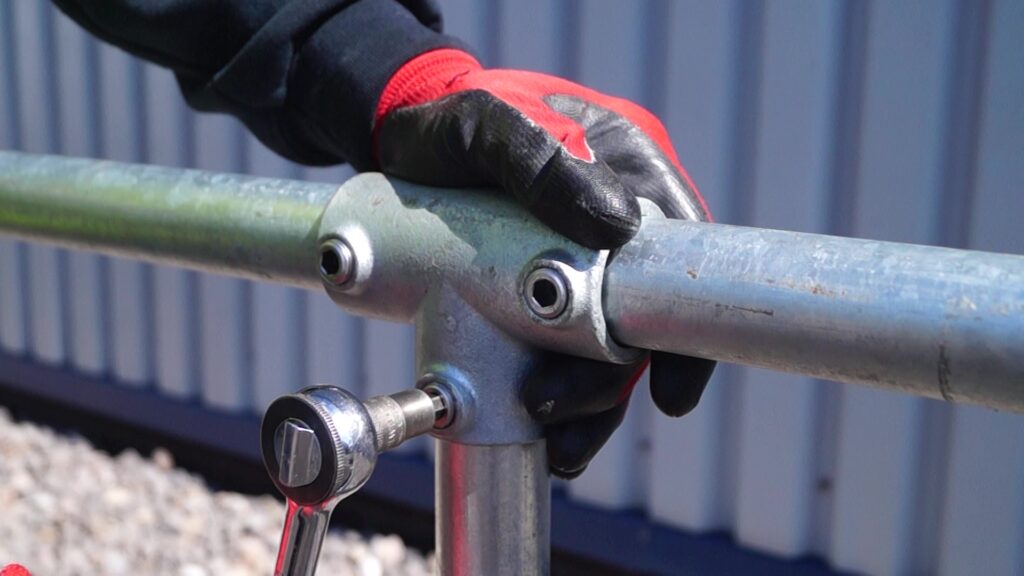
Make sure you tighten every fitting to the correct level. Use the same tool for every fitting, such as a calibrated hex key or torque wrench, to ensure everything is secure without causing any damage.
4) Incorrect post spacing
The problem:
Getting the spacing between the posts wrong can affect both the strength of the system and whether it meets safety requirements. If your posts are too far apart, the handrail may not perform as expected under load.
How to avoid it:
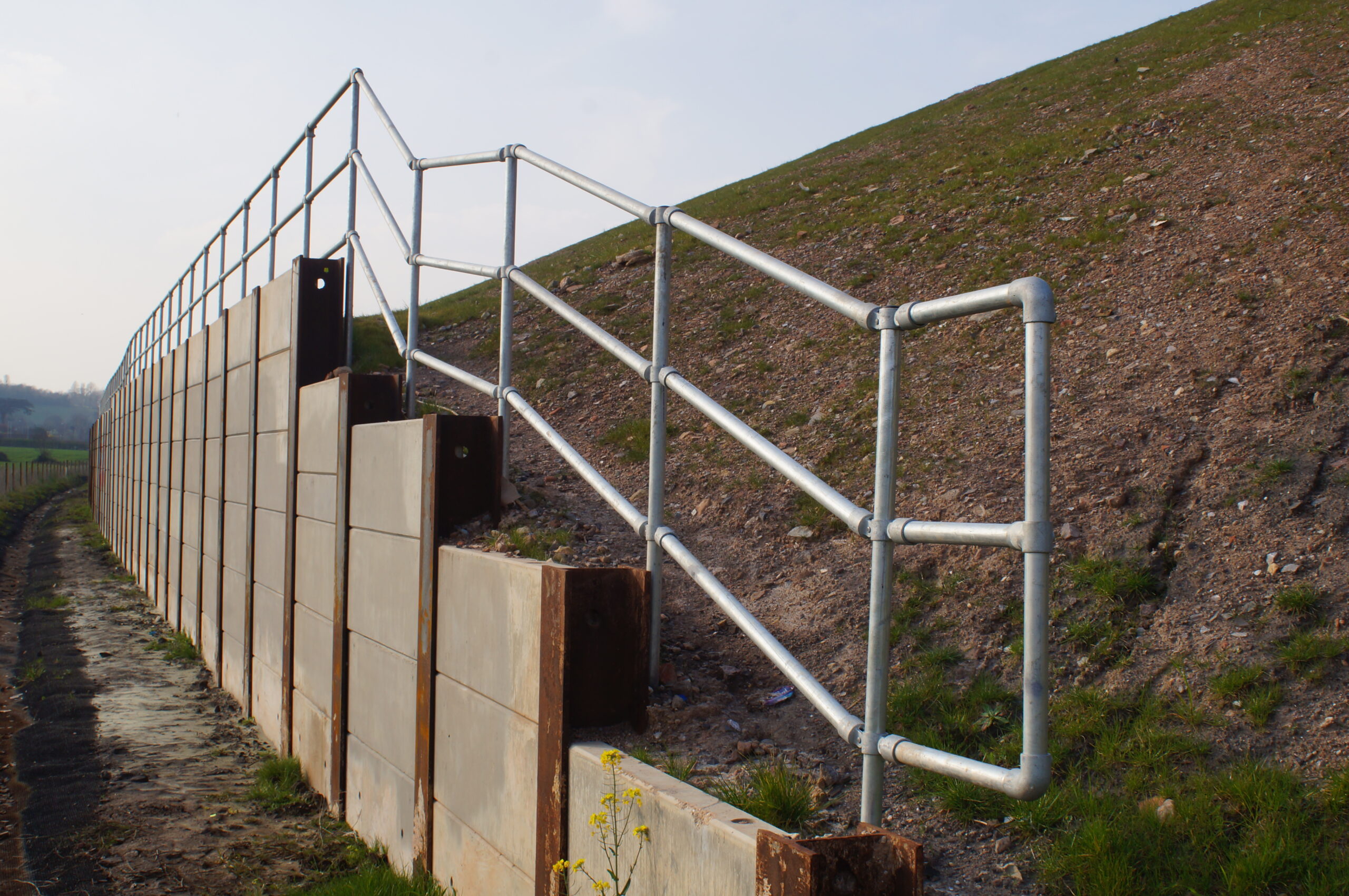
Follow the recommended spacing guidelines for your application. Sticking to the recommended distances will help to maintain the system’s structural integrity and ensure your installation is compliant with relevant safety standards.
5) Ignoring ground conditions and fixings
The problem:
Your handrail won’t perform correctly if it’s not fixed securely to the ground. Different surfaces require different fixing methods, and overlooking this can cause the system to be unstable or move around over time.
How to avoid it:
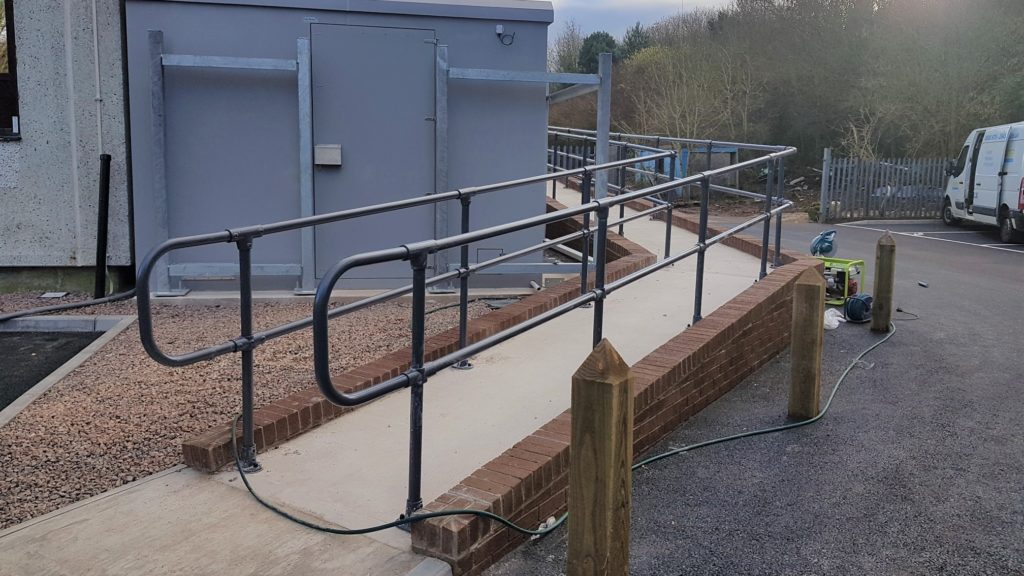
Check the surface you’re fixing into and make sure you choose the right base plates and anchors for the job. Selecting components that are suited to the environment will help you create a solid, dependable foundation for your system.
6) Poor alignment and finishing
The problem:
If your rails aren’t aligned correctly, this can affect both the appearance and safety of the installation. Uneven heights or inconsistent lines can create trip hazards and make the system feel less reliable.
How to avoid it:
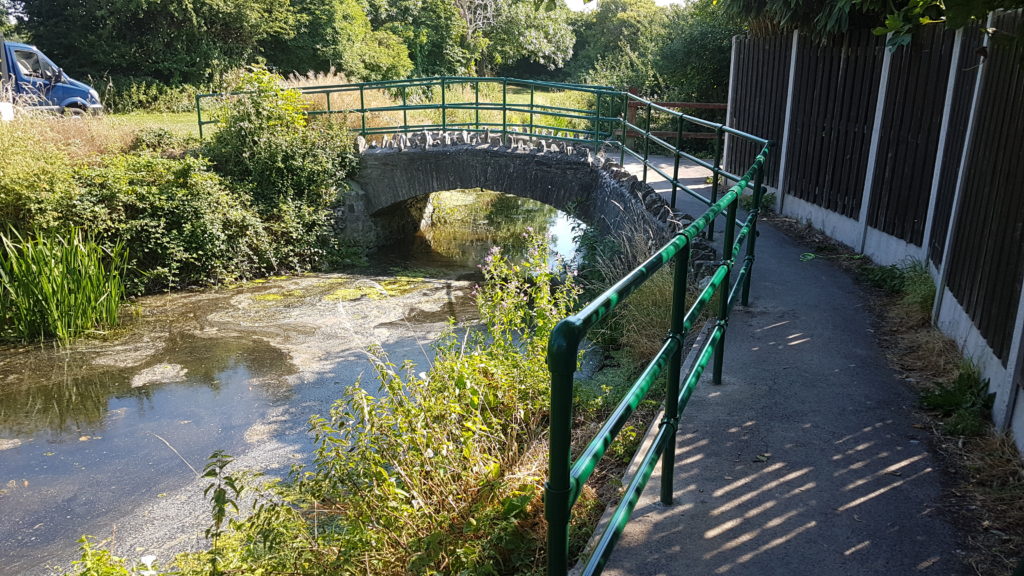
Regularly check the levels as you install rather than leaving it all until the end. The adjustability of clamp fittings means you can make small tweaks as you go, which will help you achieve a straight and professional finish.
Need help with your key clamp handrail installation?
At Ezi Klamp, we supply a wide range of key clamp tubes and fittings to help you build the ultimate handrail system for your site. All our systems are manufactured from galvanised steel for long-term durability, and are exceptionally easy to install with no welding required. The system is also modular in nature, which means you can easily adjust or add components as your layout changes.
As well as supplying the components, we offer various resources to help you install your handrails, including a comprehensive video installation guide and a dedicated blog post answering all your questions about installation.
If you’re still not confident or your requirements are more complex, we also offer a professional installation service from our CSCS-accredited installers. Get in touch to discuss your project and we’ll send over a quote as soon as possible.
FAQs
What are the most common key clamp installation mistakes?
The most common key clamp installation mistakes include inaccurate measuring, poor tube cutting, not tightening fittings correctly, incorrect post spacing, and using the wrong fixings for the ground conditions.
Do I need to weld a key clamp handrail system?
No, you don’t need to weld a key clamp handrail system. Key clamp systems can be easily installed using standard tools, which makes them ideal for both new projects and upgrades on existing sites.
What tools do I need for key clamp handrail installation?
Most key clamp handrail installations can be completed using basic tools such as a hex key, tape measure, level, and appropriate cutting equipment for the tubes.
Can I adjust a key clamp handrail after installation?
Yes, you can adjust a key clamp handrail after installation. You can loosen the fittings, make adjustments, and then re-tighten them, which makes it easier to adapt the system if your layout changes.