The short answer:
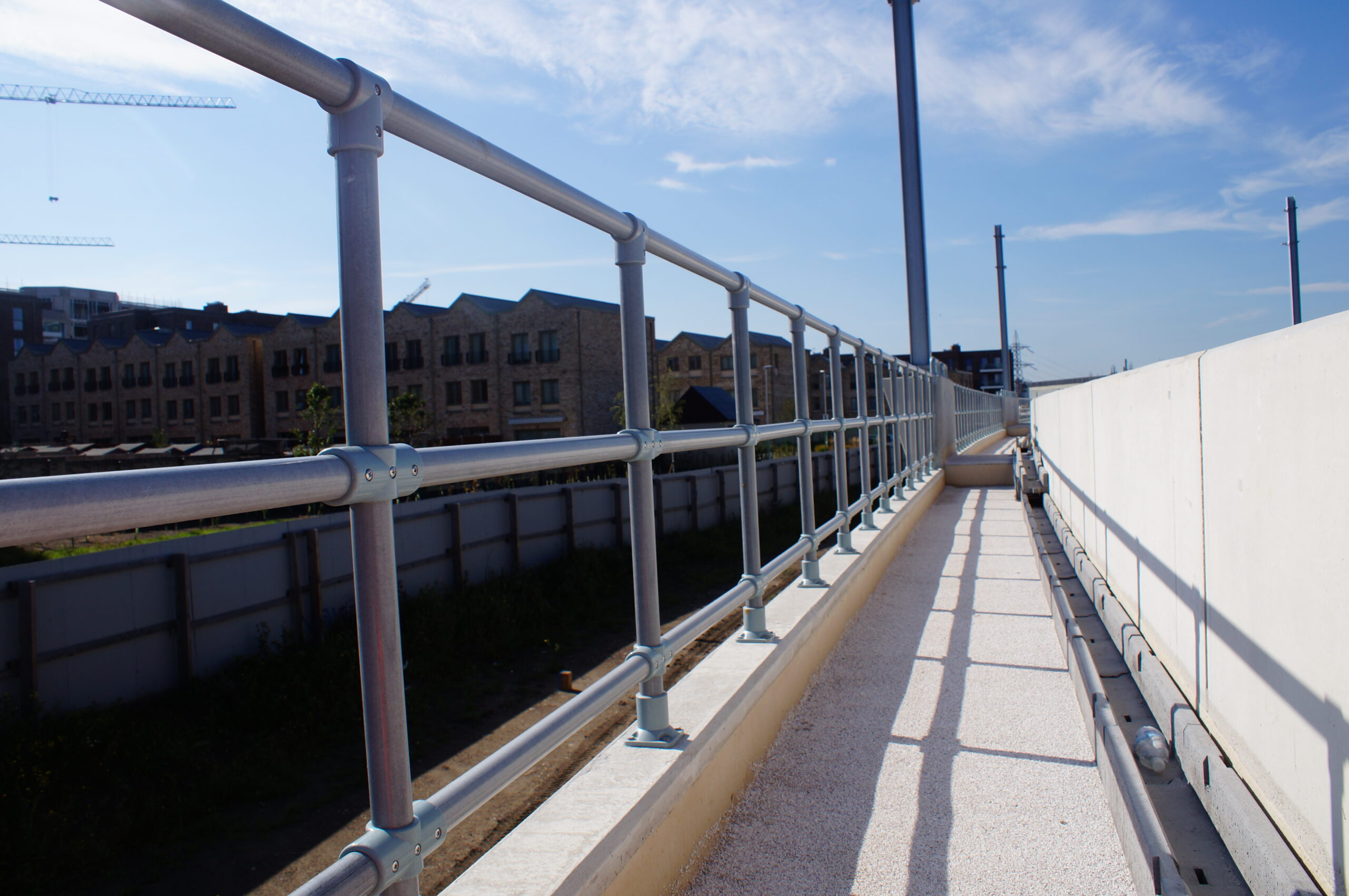
When comparing key clamp vs welded steel handrails, welded steel isn’t necessarily the stronger option. The strength of the system all depends on whether it is properly designed and installed, and if it is rated to handle the loads it will face. When specified correctly, key clamp handrails are designed to meet the same safety standards as welded steel handrails. Each component is installed in a consistent way, which means there’s less risk of weak points. The hot-dip galvanised finish protects against corrosion and removes the need for on-site welding or repainting, offering a faster and more flexible solution for many industrial and public access environments.
Not sure which handrail system to choose for your site? You’ve probably heard that welded steel is stronger; but is that actually true, or just a myth?
It’s easy to see why this assumption exists. Welding gives the impression of a permanent, heavy-duty solution – but in reality, the strength of any safety system depends less on how it is joined and more on how it performs in day-to-day site conditions.
In this blog, we take a closer look at the common myths surrounding key clamp vs welded steel handrail strength, so you can choose the right solution for your site.
Myth 1: welded steel is structurally stronger
The idea that welding automatically equals strength is misleading. Strength in a handrail system isn’t determined by whether it’s welded or clamped – instead it comes down to three simple things:
- Whether the system has been properly designed for its environment
- If the system can handle the loads it’s likely to face
- Whether the system has been installed correctly on site
A welded steel handrail system is only as strong as the weld itself. Poor welding or lack of inspection can introduce weak points in the system that aren’t always visible until failure occurs.
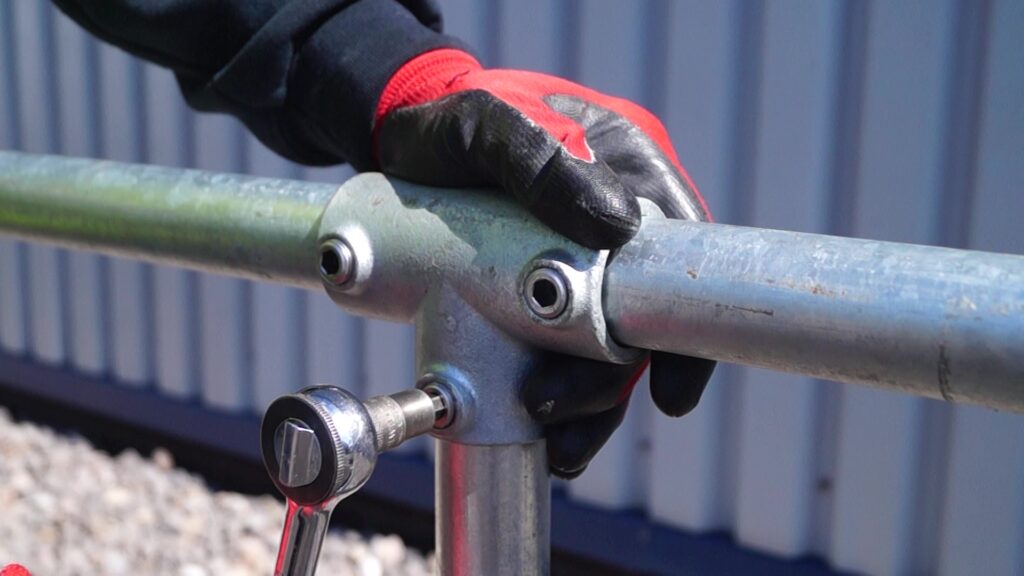
On the other hand, our key clamp handrails are built using galvanised steel tubes and high-strength malleable iron fittings. When installed correctly, they’re capable of meeting the load requirements set out in standards such as BS 6180:2011 and BS EN ISO 14122-3:2016.
In summary: the strength of the system depends on the design, loading, and installation quality, not whether the system is welded or clamped.
Myth 2: welding creates a more durable connection
It’s often assumed that because a welded joint is fixed, it must be more durable. In reality, durability is heavily influenced by the environmental conditions the system is exposed to and how well it’s maintained.
Welded handrails typically need to be cut and welded on site, which burns away the protective galvanised steel coating. Unless the coating is properly treated and maintained, the system is vulnerable to corrosion.
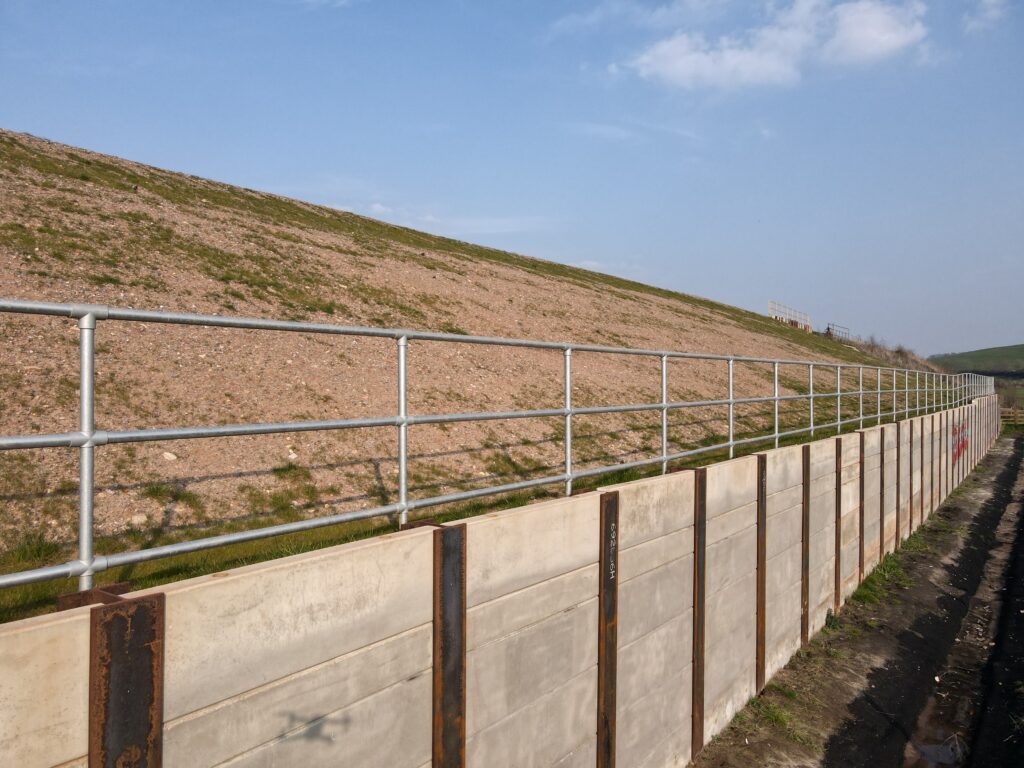
Our key clamp fittings are supplied with a hot-dip galvanised finish in accordance with EN ISO 1461. Because there’s no welding required, that protective layer remains intact across the entire system, helping to protect the handrail from corrosion.
In summary: because key clamp systems don’t require on-site welding, the galvanised coating remains intact, which can improve long-term corrosion resistance compared with welded systems that rely on correct post-weld treatment.
Myth 3: key clamp systems are less secure
Another common misconception is that clamp-based handrail systems are somehow “loose” or prone to movement. But this isn’t the case at all – it all depends on the specification, the tube size and fittings, and how each connection is installed.
Welded steel systems rely heavily on the quality and consistency of the weld itself. Variations in technique or conditions on site can lead to inconsistencies across joints, which can affect the long-term performance of the system.
Our key clamp fittings, however, use a simple but highly effective mechanical fixing method. Each connection is secured using a grub screw which is tightened to the correct torque, creating a firm and reliable joint.
In summary: key clamp systems are connected securely using mechanical fixing methods, meaning the joints provide consistent, reliable strength without relying on weld quality.
Myth 4: welded steel is better for demanding environments

Welded systems are often seen as the “bespoke” option because they can be fabricated to suit specific layouts on site. However, that flexibility comes at a cost, both in terms of time and future adaptability.
Once a welded handrail has been installed on site, it’s not easy to make any changes. You’ll often need to cut, re-weld, and refinish the system, which can be highly disruptive and expensive.
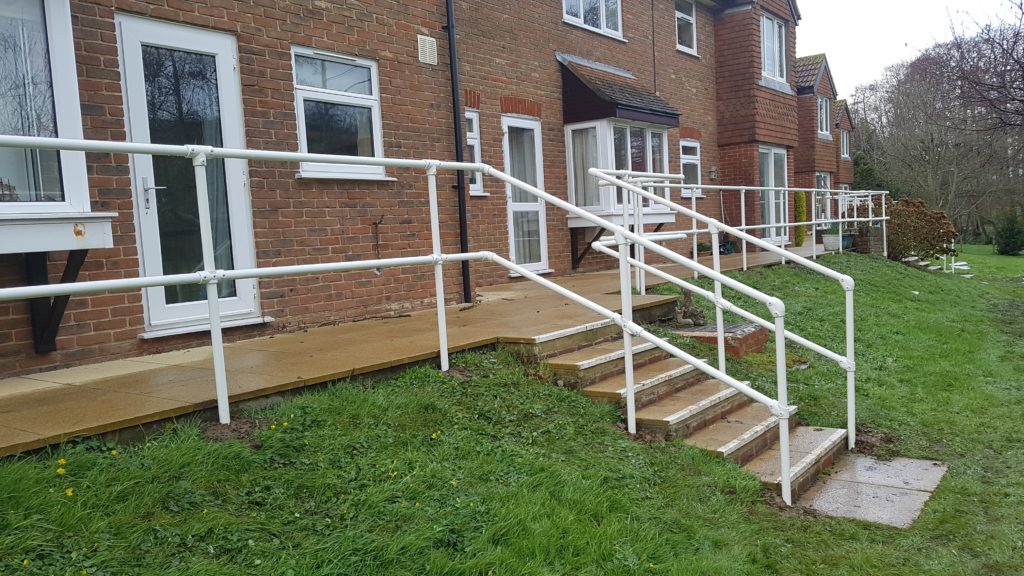
Our key clamp handrails, on the other hand, are modular in nature. As your site layout evolves, you can easily add, remove, or reposition components without specialist equipment, which reduces downtime and keeps your operations moving.
In summary: key clamp systems offer greater flexibility and adaptability than welded systems without the disruption of rework.
Why choose our key clamp handrails for your upcoming project?
If you’re looking for a handrail system that’s easy to install, compliant by design, and built to perform in the long-term, our key clamp handrails offer the ideal solution.
Each system is designed in line with relevant UK safety systems for guardrails and access systems, giving you complete confidence that your handrails are fit for purpose from day one. Because there’s no welding required, the system can be quickly installed on site, helping to reduce labour time and avoid the risks associated with hot works. Plus, it can be easily adapted or extended as your site evolves, without the need for expensive rework.
Explore our range of key clamp tubes and fittings to find the perfect combination for your project.
FAQs
Are key clamp handrails as strong as welded steel handrails?
Yes, key clamp handrails can be as strong as welded steel handrails when correctly specified and installed. The performance of the system depends on design, loading, and installation quality rather than the joining method.
Are key clamp systems suitable for outdoor or corrosive environments?
Yes, key clamp systems are suitable for outdoor or corrosive environments. Ezi Klamp’s fittings are hot-dip galvanised to EN ISO 1461, which provides durable corrosion protection without the need for on-site welding or repainting.
How do installation times compare with welded handrails?
Key clamp handrails are typically quicker and easier to install than welded systems because they do not require welding, hot works permits, or specialist fabrication on site. This can help to reduce labour time and minimise disruption.
Can key clamp handrails be modified after installation?
Yes, key clamp handrails can be modified after installation. These systems are modular in nature, which means that sections can be adjusted, extended, or reconfigured as site requirements change, without the need for cutting or re-welding.